Seven weeks after its reactor went critical at Idaho National Laboratory, Antares has raised $470m to put microreactors on US military bases by 2028.

Washington is reportedly pursuing Ukrainian drone intellectual property instead of a formal partnership, aiming to manufacture comparable systems domestically.
The US Army awards TCOM $447 million contract despite increasing concerns about surveillance balloon vulnerability against inexpensive battlefield drones.
Scientists and technology execs alike are torn on what the implications of AI will be, although many liken it to a higher power
The great lie that protected the ThinkPad’s signature red dot from IBM’s strict corporate safety guidelines.
Country music icon Willie Nelson has issued a strongly worded statement about the encroachment of data centers in rural locations across the US.
A new FCC filing from Amazon seeks permission to launch an army of satellites to facilitate voice, data, messaging, and IoT support across the globe.

Why Secretlab’s first true office chair strips away everything gamers love, but succeeds for desk workers.
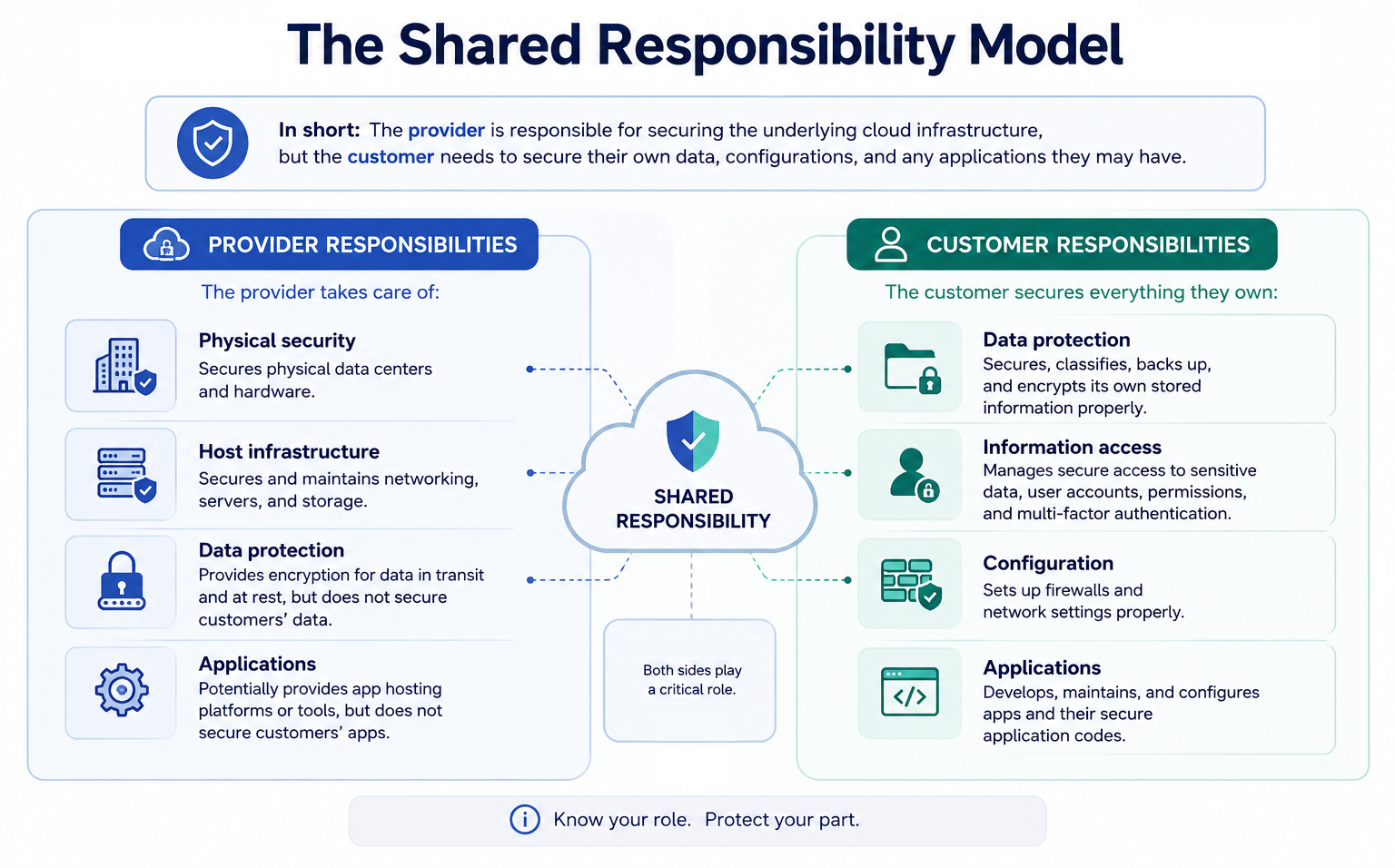
Although cloud providers such as AWS or Microsoft deliver strong infrastructure security, there’s still a big misconception that the data is automatically safe just because it’s in the cloud, which is where the Shared Responsibility Model comes in.
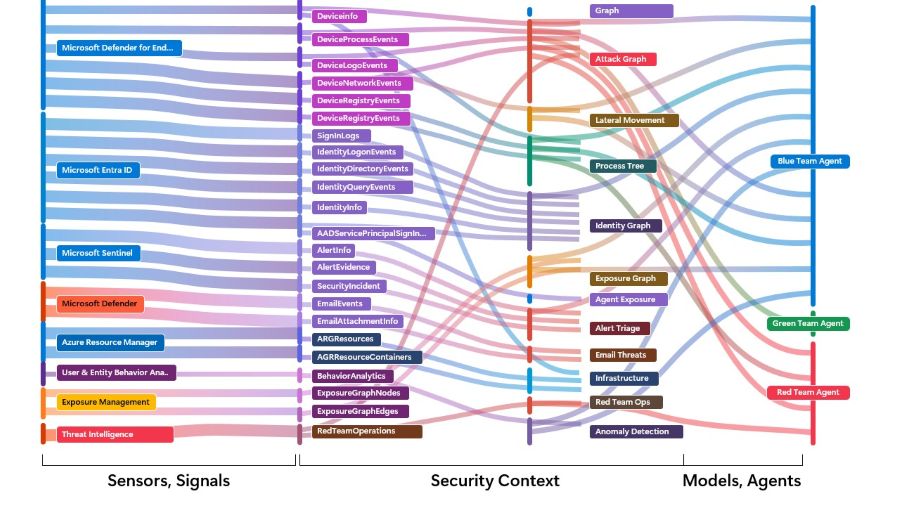
Microsoft’s new security AI writes and deploys its own patches, six days after OpenAI’s models escaped a sandbox and hacked Hugging Face