Elon Musk’s Terafab semiconductor project has run into an unexpected trademark dispute with Tera-print, a small U.S. company that has used the Tera-Fab name for its tabletop lithography equipment for about a decade.
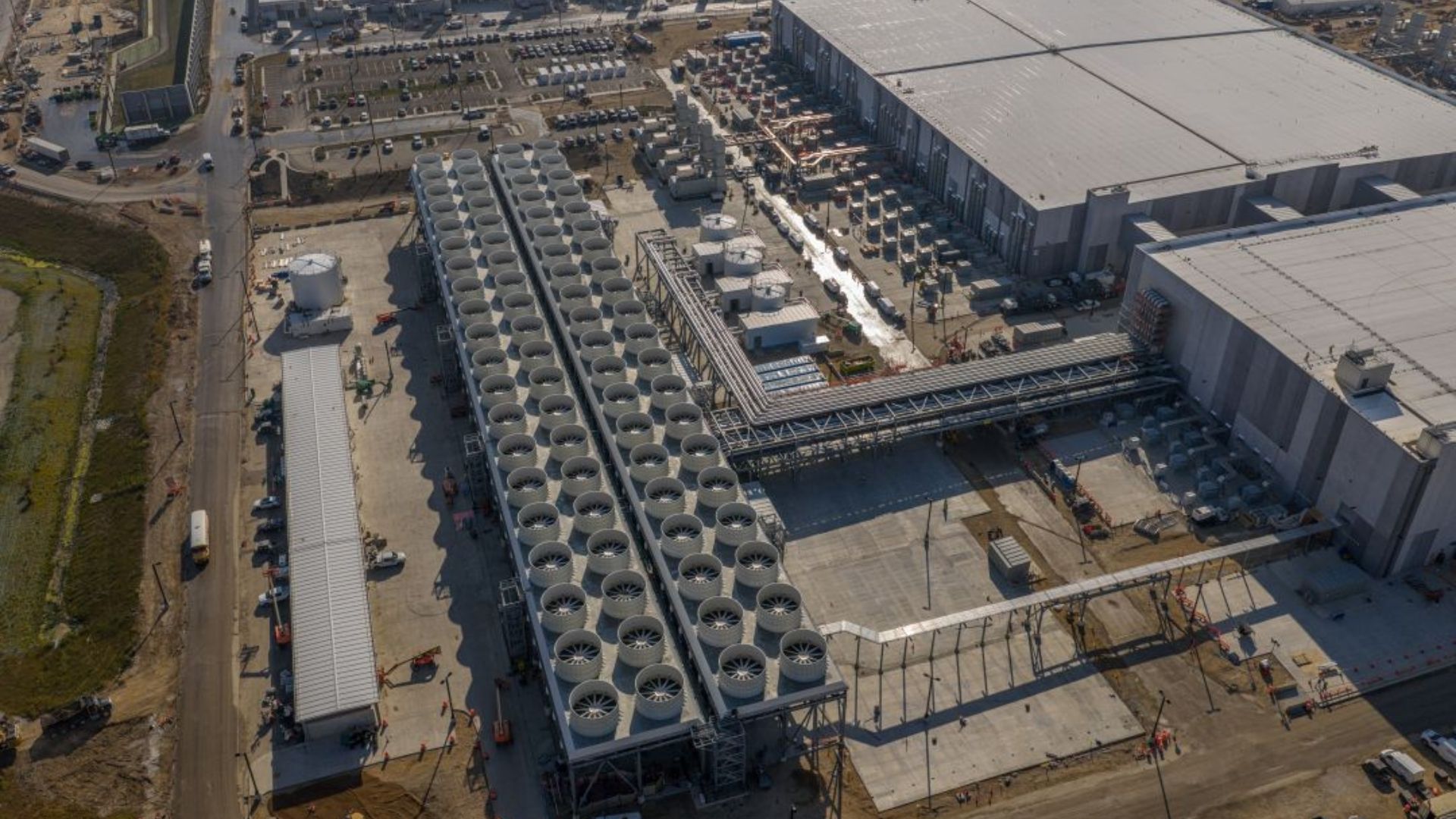
As many semiconductor fabs and facilities go online in the 2030s and beyond, a global consulting firm said that these sites will need thousands of engineers and technicians that the U.S. will be hard-pressed to fill.
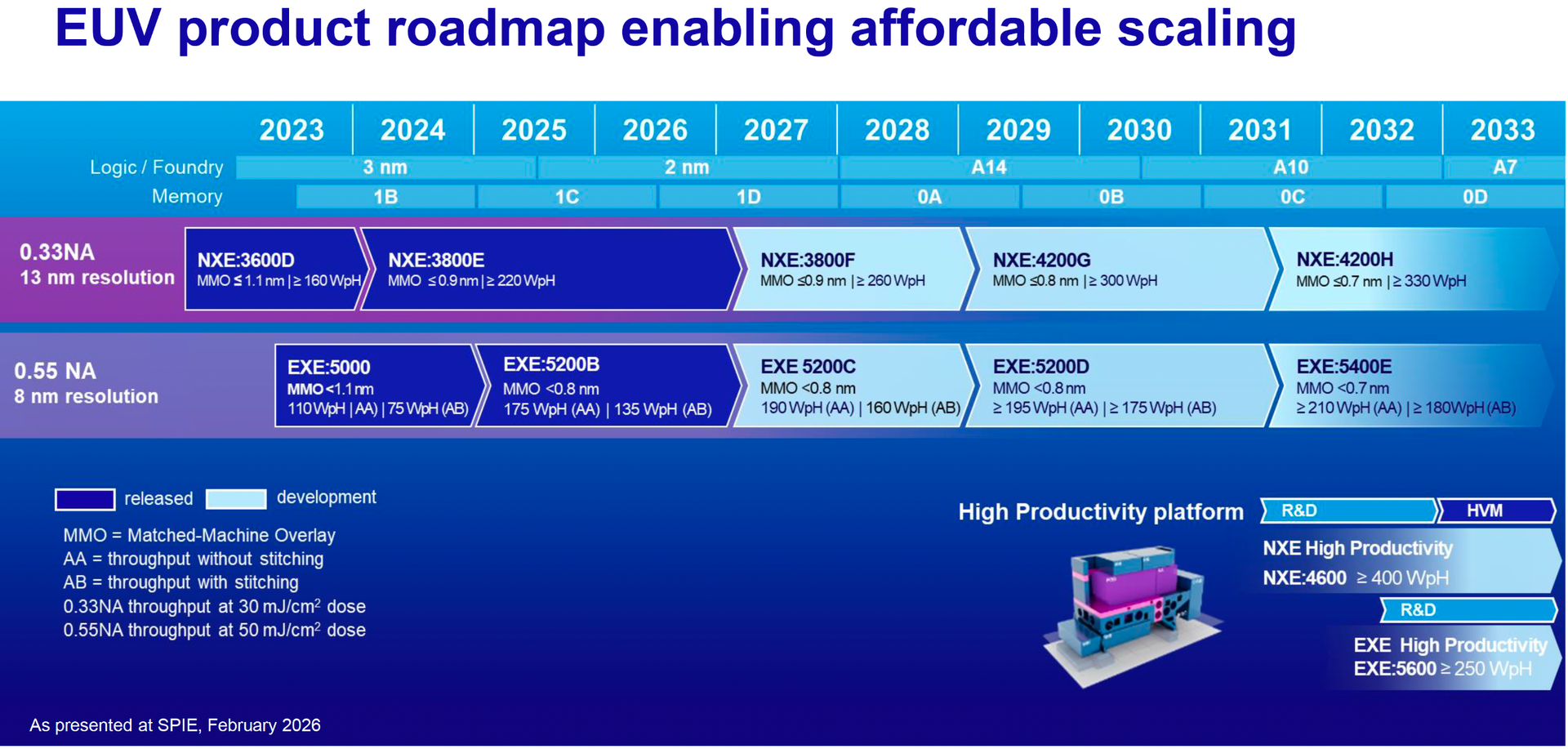
With progress that ASML makes with its LPP EUV light sources for its scanners, the company is barely interesting in adopting particle accelerator-based FEL sources.
Nanya-backed DRAM designer PieceMakers began trading in Taipei on Sept. 16 on a bet that AI inference memory won’t be HBM.
Nvidia CEO thinks that in light of his view of a three- to four-year timeline for Chinese development of advanced semi tooling, the country is “already there.”
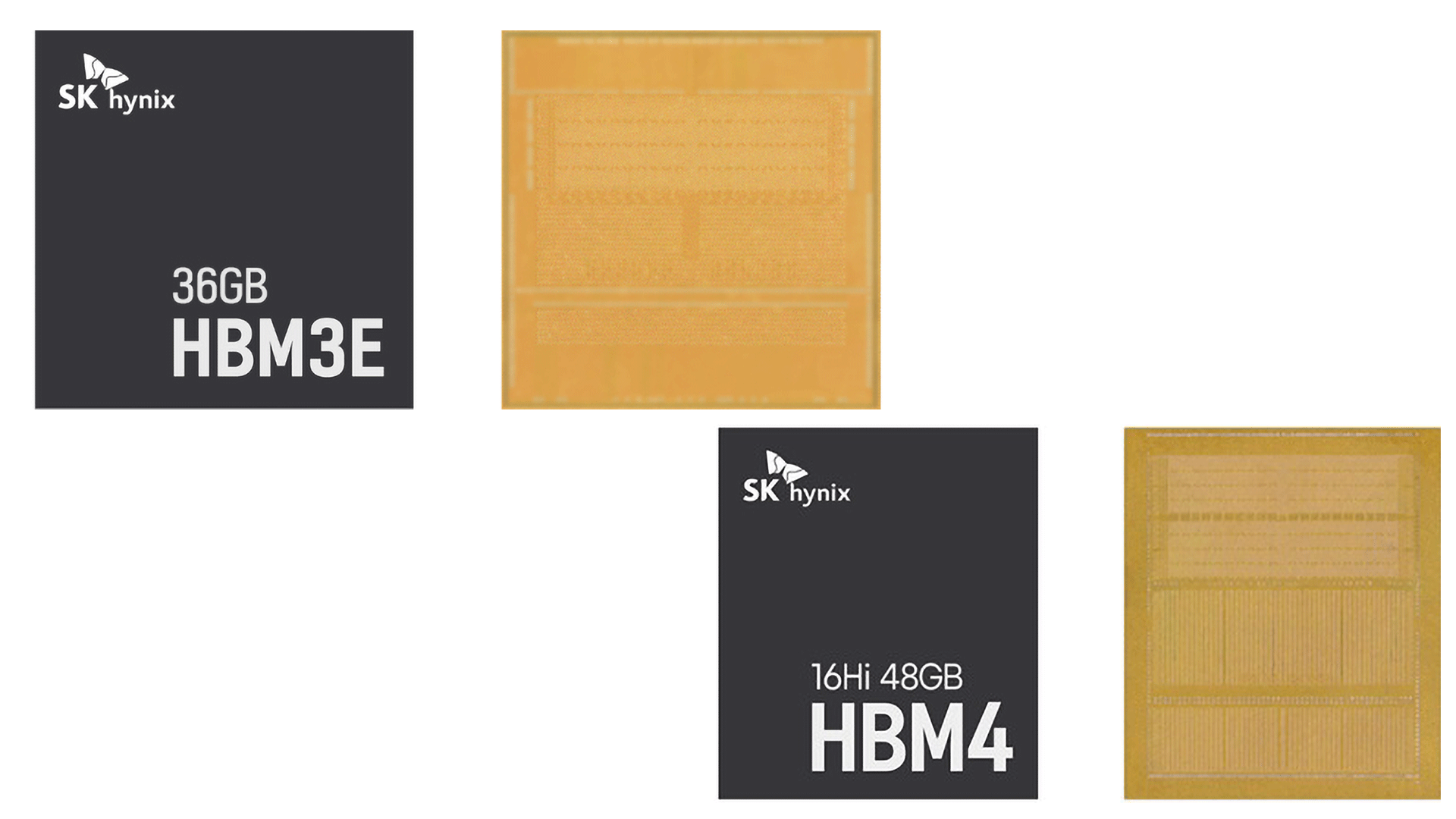
Sources say SK hynix and Intel are in talks to start HBM manufacturing in the United States. Both companies refused to confirm the rumors, though, as SK hynix could potentially be put in a precarious position as trade talks between Seoul and Washington continue.
Agility Robotics is launching Digit 5, its next-generation humanoid robot that can work with humans outside the cage.
Zinova makes physical AI called “Tool Intelligence” for construction robots. It might just be a giant leap forward in a space where robots have generally disappointed.
Micron is offering Taiwan employees a NT$1 million cash bonus, but unions have rejected the package and are demanding permanent profit sharing as strike talks continue.
Pacific Quartz gets its high-purity quartz qualified for semiconductor equipment and DRAM manufacturing.